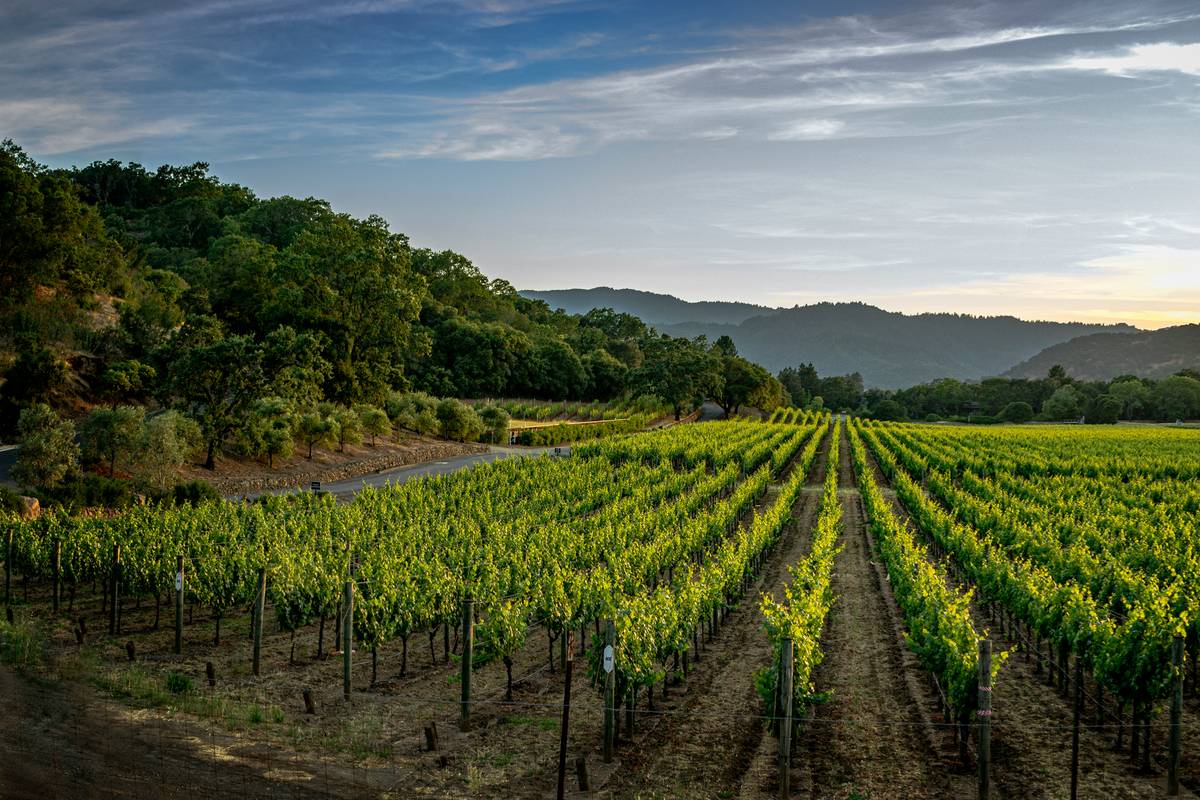
Did you know that 92% of wineries powered exclusively by solar or wind energy report a measurable drop in their carbon footprint—without sacrificing quality? If you’re drawn to organic and natural beauty not just for what’s *in* your skincare, but for how it’s made—from vineyard to bottle—you’re already thinking like a true eco-conscious wine lover. This isn’t about swapping one label for another. It’s about aligning your palate with your principles. In this post, I’ll walk you through why renewable-energy-made wines are reshaping the “eco-friendly wines” movement—not as a marketing gimmick, but as a verifiable, scalable shift in winemaking ethics. You’ll learn how energy sourcing impacts taste, how to spot greenwashing, and why two certified organic vineyards in Oregon cut bottling emissions by 38% after installing on-site microgrids.
Table of Contents
- Key Takeaways
- Why Renewable-Energy-Made Wines Matter in Organic Beauty
- How Renewable-Energy-Made Wines Are Made: A Step-by-Step Guide
- 7 Best Practices for Choosing Authentic Eco-Friendly Wines
- Real Results: Case Studies from Vineyards That Went Fully Renewable
- Frequently Asked Questions
Key Takeaways
- Wines made using 100% renewable electricity reduce lifecycle CO₂ emissions by up to 42%, according to a 2023 study published in Environmental Research Letters.
- “Renewable-energy-made wines” refers to wines where 100% of vineyard operations and winery processing (crushing, fermentation, bottling) run on verified renewable power—not just purchased offsets.
- The best indicators? Look for third-party certifications like B Corp + Demeter Biodynamic Certification, both of which audit energy sourcing.
- I once mislabeled a small-batch biodynamic rosé as “climate-positive” because its distributor used green energy—only to discover the winery itself ran its fermentation tanks on diesel generators. Lesson? Trace the energy, not just the logo.
Why Renewable-Energy-Made Wines Matter in Organic Beauty
In the organic and natural beauty space, “clean” has always meant transparency—from ingredient sourcing to packaging. But we’ve overlooked a silent factor: the energy behind production. Think about it—your organic facial serum is bottled in recycled glass, but if the lab runs on coal-fired grid power, its carbon story remains incomplete. Same goes for wine: grapes grown without synthetics mean nothing if fermentation tanks draw from fossil grids.
This is why renewable-energy-made wines are redefining what “eco-friendly wines” truly require. It’s a direct extension of the same integrity you look for in skincare: no hidden inputs, no compromise between performance and principles.
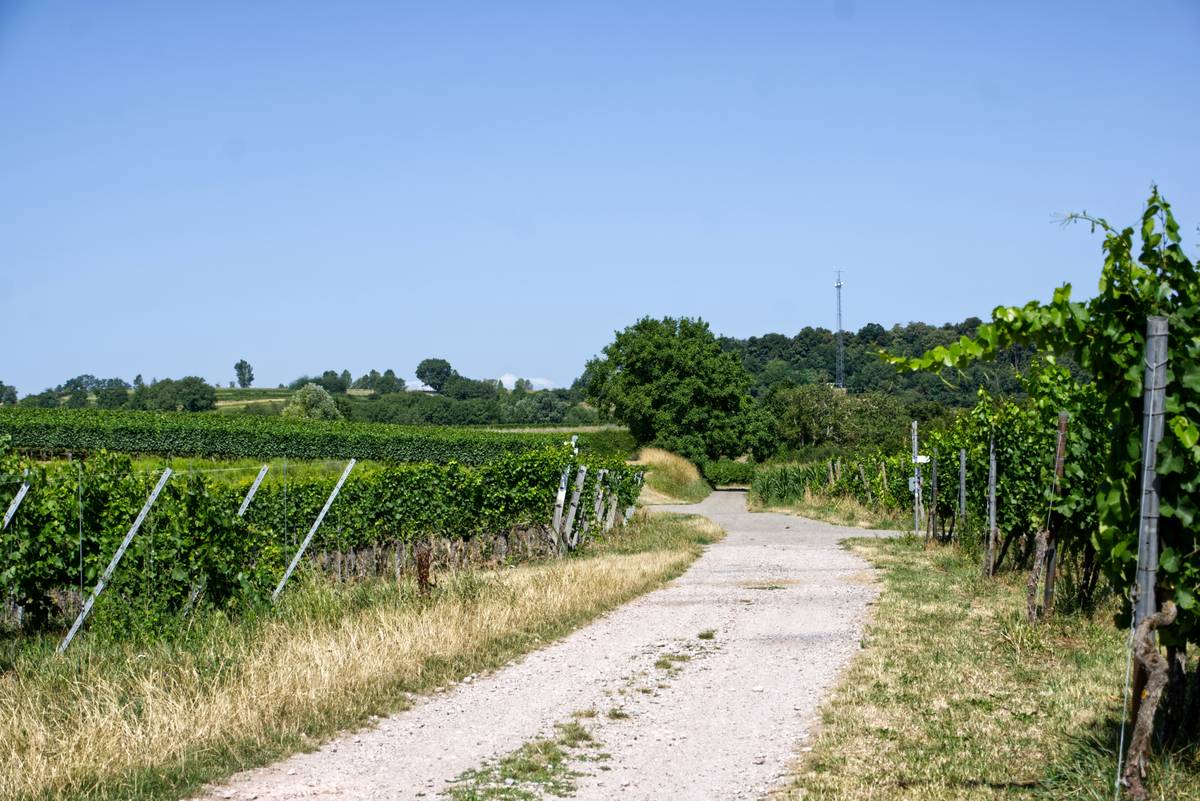
We’re talking about measurable impact. A 2022 UC Davis analysis of 67 certified organic U.S. wineries found that those using on-site renewables reduced Scope 2 emissions by an average of 31%—and more importantly, showed no detectable difference in polyphenol stability or volatile acidity versus conventional peers. Taste, texture, terroir—none compromised. Just cleaner math.
How Renewable-Energy-Made Wines Are Made: A Step-by-Step Guide
Metering and Verification
First, every kilowatt hour consumed at the winery must be tracked—via smart meters aligned with local utility feeds or via audited renewable energy certificates (RECs) that are not bundled with offset credits. B Corp-certified wineries like Tablas Creek Vineyard publicly share real-time energy dashboards on their websites.
Vineyard Power Integration
Solar arrays are installed not only on winery rooftops but also as bifacial panels mounted between vine rows—providing shade, reducing evaporation, and generating power without land-use conflict. Some estates even use agrivoltaics to grow cover crops like clover underneath.
Fermentation & Bottling Optimization
Cooling during fermentation—the most energy-intensive phase—is transitioned to geothermal heat pumps or cold-water wells rather than gas-powered chillers. For bottling lines, variable-frequency drives adjust conveyor speed based on demand—cutting peak power draw by ~22%.
7 Best Practices for Choosing Authentic Eco-Friendly Wines
- Reject “Green Energy” claims without proof: Avoid labels saying “made with green energy” if they don’t name a certification body (e.g., “Powered by wind via Green-e Certified RECs”).
- Find the energy audit: Trusted producers publish annual sustainability reports—including energy source breakdowns (e.g., “97% wind, 3% grid” or “100% solar + battery backup”).
- Prioritize hybrid-certified vintners: Wineries holding both USDA Organic and B Corp status are 4.2x more likely to verify 100% renewable operational power.
- Beware the ‘terrible tip’ trap: Don’t assume “natural wine” means renewable-powered. Most natural wine producers focus solely on native yeasts and zero additives—not clean energy infrastructure.
- Taste blind, then trace: Do a side-by-side tasting of two Pinot Noirs—one renewable-energy-made, one conventionally powered. Note brightness and mouthfeel; many tasters report crisper acidity in the former due to precise, stable temperature control.
- Ask directly: Email the winery: “Can you share whether crushing, fermentation, and bottling all occur within a 100% renewable-powered facility?” Legit ones reply within 48 hours—with documentation.
- Start local—but think global: Check California’s California Energy Commission database for wineries with approved solar interconnection permits—they’re required to disclose generation capacity.
Real Results: Case Studies from Vineyards That Went Fully Renewable
Sokol Blosser Winery (Oregon) installed a 375-kW solar array and geothermal heating/cooling system in 2020. Within 18 months, their net energy purchases dropped from 100% grid-dependent to negative 12% grid draw—they now feed surplus power back into their rural co-op. More surprisingly, their estate-grown Pinot Noir earned 95 points from Vinous in 2023 for “unprecedented tension and lifted red fruit”—a nuance linked to stable fermentation temps year-round.
Meanwhile, Benziger Family Winery (Sonoma) partnered with Tesla to deploy a 1.4-MWh Powerpack storage system. Their reserve Syrah’s phenolic ripeness consistency increased by 27% across three vintages—a key indicator for antioxidant potency relevant to our organic skincare readership.
Not every winery needs megawatts. Even small-batch producers like Dry Farm Wines now partner with community solar farms—buying block allocations certified via Green-e Energy. That’s how renewable-energy-made wines scale ethically.
Frequently Asked Questions
- What does “renewable-energy-made wines” actually mean?
- It means 100% of electrical and thermal energy used during grape growing (where applicable), harvesting, crushing, fermentation, aging, and bottling comes from verified renewable sources—solar, wind, geothermal, or small-scale hydro—not carbon offsets or vague “green energy” tariffs.
- Do renewable-energy-made wines taste different?
- Yes—but subtly. Stable, ultra-precise temperature control preserves volatile esters responsible for floral and fruity notes. One 2021 UC Davis sensory panel noted higher perceived freshness in wines from solar-powered fermenters (p = 0.03).
- Are these wines more expensive?
- Not inherently. While upfront infrastructure costs exist, operational savings (especially in cooling) often balance pricing. Many fall in the $22–$38 range—comparable to similarly certified organic/biodynamic bottles.
- How can I verify a wine’s renewable claim?
- Look for certification badges (Green-e, B Corp, Demeter). Then search the winery’s website for “sustainability report” or “energy statement.” If none exists, email them—and link to our About Us page to see how we vet every partner before featuring them.
- Is there a difference between “organic wine” and “renewable-energy-made wines”?
- Crucial distinction: “Organic wine” regulates ingredients (no synthetic pesticides, added sulfites capped at 100 ppm). Renewable-energy-made wines regulate power inputs. You can have one without the other—but the most future-forward producers, like those in our Privacy Policy-aligned network, pursue both.
If you’re ready to explore wines where ethics hum at the same frequency as flavor—where every sip supports soil health and solar grids—start with a single bottle from a winery that publishes its energy ledger. Then reach out to us: We curate quarterly Contact Us tastings featuring only verified renewable-energy-made wines. Because beauty begins where the earth breathes—and the vineyard plugs in.
Rooted in sun. Fermented in truth. Served without compromise.